

Perfect Smile Highlights the Role of Personalised Care in Smile Treatment Planning

Committed to quality dental care

Discussing smile goals and suitable treatment options
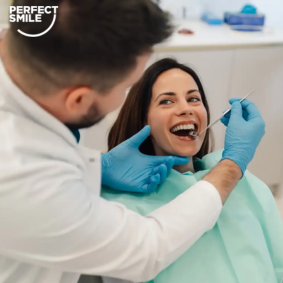
Assessing dental needs before recommending treatment

Personalised dental care that reflects individual needs
Every smile has different priorities. See how tooth proportions, alignment, oral health and personal preferences influence cosmetic dental treatment plans.
ENGLAND, UNITED KINGDOM, October 14, 2026 /EINPresswire.com/ -- Patients approach cosmetic dentistry with different expectations. While some may want to improve tooth colour, others may be concerned about alignment, uneven edges or the overall appearance of their smile. Perfect Smile highlights the importance of recognising these individual priorities when discussing treatment options.
By considering personal preferences alongside clinical requirements and practical factors, dental professionals can help patients understand the available approaches and establish realistic expectations before proceeding with treatment.
Starting With the Patient's Expectations
Every patient has their own reasons for considering cosmetic dentistry. Some may prefer subtle changes, while others may be looking for a more noticeable improvement. Understanding these goals provides a starting point for discussing suitable options.
During consultations, patients can explain the features they would like to address. The dentist can then assess the existing condition of their teeth and consider which treatments may be appropriate.
This individual approach avoids assuming that everyone wants the same result. Instead, it allows treatment discussions to reflect each patient's concerns, expectations and circumstances.
Treatment Options Should Match Individual Needs
Different dental procedures address different concerns. A patient interested in changing tooth colour may have different options from someone looking to improve alignment or restore a damaged tooth.
Treatment discussions should cover the available approaches, their limitations and the practical commitments involved. Factors such as cost, appointment schedules and ongoing maintenance may also influence a patient's decision.
Explaining these considerations helps patients compare options and understand what each treatment involves. Where necessary, an alternative approach may be more suitable than the procedure initially requested.
Personalised care therefore involves balancing aesthetic preferences with clinical suitability rather than focusing exclusively on the desired appearance.
Clear Communication Helps Establish Expectations
Patients need a clear understanding of proposed treatments before making decisions. This includes information about the treatment stages, anticipated changes, timescales and factors that may influence the outcome.
For patients visiting a dentist in Richmond, understanding the proposed treatment before committing to it can make the decision-making process clearer. Discussing expected results, possible limitations and aftercare gives patients a better idea of what to expect.
Preferences may change as patients learn more about different procedures. Open discussions allow them to reconsider their priorities and decide whether a particular approach meets their expectations.
Individual Smile Features Influence Decisions
Tooth shape, colour, size and alignment all contribute to the appearance of a smile. Considering these features together helps inform discussions about the type and extent of treatment that may be appropriate.
For patients visiting a dentist in Camberley, an individual assessment provides an opportunity to discuss specific concerns and possible approaches. Even patients with similar goals may require different treatment plans depending on their existing dental condition.
Clinical suitability remains important throughout the process. Certain dental problems may need attention before cosmetic procedures can be considered, and the same treatment will not be appropriate for everyone.
Balancing Treatment With Everyday Life
Treatment decisions can also depend on budget, appointment availability, time commitments and maintenance requirements. Understanding these factors helps patients assess whether a proposed plan fits their circumstances.
When considering a dentist in Reading, patients may also need to account for the time and financial commitment involved in treatment. Reviewing appointment requirements, costs and ongoing maintenance can help them decide whether a proposed plan fits their everyday responsibilities.
The aim is to support decisions that reflect personal preferences while remaining appropriate to individual clinical needs.
A More Individual Approach to Smile Care
Personalised smile treatment planning brings together patient goals, clinical assessment and clear communication. These elements help establish a considered basis for discussing cosmetic dental options and setting realistic expectations.
Perfect Smile emphasises the value of understanding individual priorities before recommending treatment. By addressing personal concerns and explaining the available approaches, dental professionals can help patients make informed decisions that reflect their own circumstances.
Jeremy Smith
Perfect Smile
+44 20 8993 2233
jeremy@perfectsmile-dental.com
Visit us on social media:
Instagram
Facebook
YouTube
X
Legal Disclaimer:
EIN Presswire provides this news content "as is" without warranty of any kind. We do not accept any responsibility or liability for the accuracy, content, images, videos, licenses, completeness, legality, or reliability of the information contained in this article. If you have any complaints or copyright issues related to this article, kindly contact the author above.
