
Routine HVAC Inspections Help Commercial Buildings Address Efficiency, Comfort and Equipment Performance
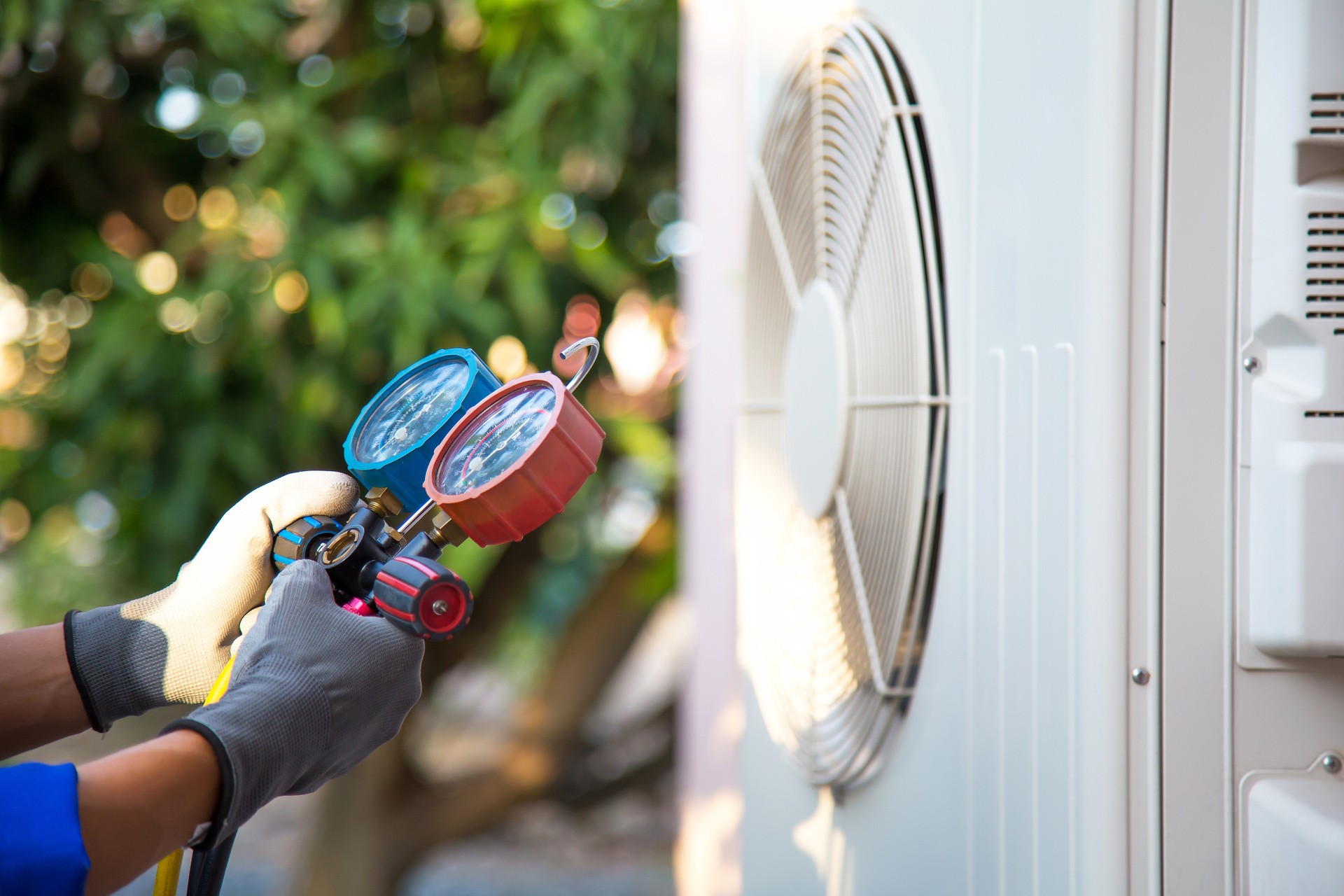

Commercial HVAC equipment can run for long periods during the warmer months in Louisiana and Mississippi”
SLIDELL, LA, UNITED STATES, August 14, 2026 /EINPresswire.com/ -- — Jennifer Lingo
Heating, ventilation and air conditioning systems represent a significant component of commercial building operations, particularly across Louisiana and Mississippi, where prolonged heat and humidity can place substantial demands on cooling equipment. Routine HVAC inspections can help building managers identify developing equipment issues, monitor system performance and address maintenance needs before minor conditions become larger operational problems.
Commercial HVAC systems often operate for extended periods and may serve significantly larger spaces than residential systems. Offices, restaurants, medical facilities, retail locations, warehouses and industrial buildings can each have different heating, cooling and ventilation requirements.
Regular inspections provide an opportunity to evaluate equipment condition while systems remain operational rather than waiting for a failure to reveal a problem.
“Commercial HVAC equipment can run for long periods during the warmer months in Louisiana and Mississippi,” said Jennifer Lingo President/CEO with LOUMIS Air, which has services multiple locations in Louisiana and Mississippi. “Routine inspections provide an opportunity to look at system performance, electrical components, airflow, drainage and other areas that may indicate developing problems before a disruption occurs.”
Commercial HVAC Systems Face Heavy Workloads
Climate plays an important role in HVAC operation throughout the Gulf South.
High temperatures can extend from spring through fall, while humidity creates additional demands on cooling and moisture-control systems. Commercial buildings may also generate internal heat from employees, customers, lighting, computers, kitchen equipment, machinery and other sources.
The combination can require HVAC equipment to operate for extended periods.
Regular inspections can help determine whether components are functioning within expected operating ranges and whether maintenance is needed.
Airflow Can Affect Building Comfort
Airflow problems can develop for several reasons, including dirty filters, blocked vents, duct issues, fan problems or equipment conditions.
In a commercial building, inconsistent airflow may result in noticeable temperature differences between rooms or sections of the property.
One office may feel comfortable while another feels considerably warmer, despite both areas being connected to the same HVAC system.
Inspecting filters, blowers, ductwork and other airflow-related components can help identify possible causes of uneven temperatures.
Filters Require Regular Attention
Air filters perform an important role by collecting particles before air moves through HVAC equipment and occupied areas.
As filters collect material, airflow can become restricted. The appropriate replacement schedule can vary according to the building, system type, filter design and operating environment.
A small office may experience different filtration demands than a restaurant, workshop or industrial facility.
Routine HVAC inspections can help determine whether filters are being changed at intervals appropriate for actual building conditions.
Electrical Components Can Show Signs of Wear
Commercial HVAC systems contain numerous electrical components that can experience wear over time.
Connections, capacitors, contactors, motors and control systems may develop issues that affect equipment operation.
Some electrical problems may provide warning signs before complete failure occurs. Inspections can identify visible deterioration, unusual operating conditions or electrical readings that warrant further evaluation.
Addressing those conditions during scheduled maintenance may help reduce unexpected interruptions.
Drainage Systems Matter in Humid Environments
Air conditioning systems remove moisture from indoor air as part of the cooling process.
That moisture must drain properly.
Condensate lines and drain pans can become clogged or develop other problems. In commercial buildings, drainage issues can contribute to water around equipment or nearby building materials.
“Humidity makes condensate management an important part of HVAC maintenance in this region,” Lingo said. “Drain lines, pans and related components should be examined because a relatively small drainage issue can affect areas beyond the HVAC equipment itself.”
Inspections Can Help Monitor Energy Use
HVAC operation can represent a substantial portion of commercial building energy consumption.
Equipment that is dirty, improperly adjusted or experiencing mechanical problems may operate differently from normal conditions. Restricted airflow, thermostat problems and other system issues can also affect operating cycles.
Routine inspections allow system performance to be compared over time.
Unexpected changes in utility usage may also indicate that equipment or building conditions should be examined.
Indoor Air Conditions Depend on Multiple Factors
Indoor air quality is influenced by ventilation, filtration, humidity, building occupancy and numerous environmental factors.
HVAC systems contribute to the movement and conditioning of indoor air, making equipment maintenance part of broader building management.
Commercial properties with high occupancy levels may have different ventilation requirements from buildings with limited daily traffic.
Routine inspection provides an opportunity to examine system components associated with airflow and filtration while considering how the building is currently being used.
Maintenance Records Provide Useful Information
Documenting HVAC inspections can help commercial property managers track equipment history.
Maintenance records may identify repeated problems, component replacements, changes in operating performance and the age of major equipment.
That information can become useful when determining whether continued repairs remain practical or when planning future equipment replacement.
Records can also help technicians understand previous service history when evaluating a new problem.
Seasonal Timing Can Reduce Surprises
Commercial HVAC inspections are often scheduled before periods of heavy equipment use.
Cooling systems can be examined before sustained summer temperatures place additional demand on equipment, while heating components can be reviewed before colder weather.
Seasonal inspections do not guarantee that equipment will never experience a failure. Mechanical systems contain moving parts and electrical components that can malfunction even when properly maintained.
Regular inspection, however, can provide information about current equipment condition and reveal problems that may otherwise remain unnoticed.
Routine HVAC Inspection Remains Part of Building Management
Commercial properties depend on numerous systems operating together, including electrical, plumbing, roofing, security and HVAC equipment.
Routine HVAC inspections represent one part of maintaining those properties.
For commercial buildings across Louisiana and Mississippi, climate conditions can make heating, cooling, ventilation and humidity management particularly relevant throughout much of the year.
Evaluating system performance, filters, airflow, electrical components, drainage and maintenance history can help building managers understand equipment condition and plan for future needs rather than relying solely on emergency repairs.
About LOUMIS Air
LOUMIS Air provides heating, ventilation and air conditioning services through multiple locations in Louisiana and Mississippi. Services include HVAC inspection, maintenance, repair and related heating and cooling work for residential and commercial properties.
Morgan Thomas
Rhino Digital, LLC
+1 504-875-5036
email us here
Visit us on social media:
Facebook
Legal Disclaimer:
EIN Presswire provides this news content "as is" without warranty of any kind. We do not accept any responsibility or liability for the accuracy, content, images, videos, licenses, completeness, legality, or reliability of the information contained in this article. If you have any complaints or copyright issues related to this article, kindly contact the author above.
