

Structural Differences in Inclusive Education: A Comparative Analysis Between the United States and Brazil
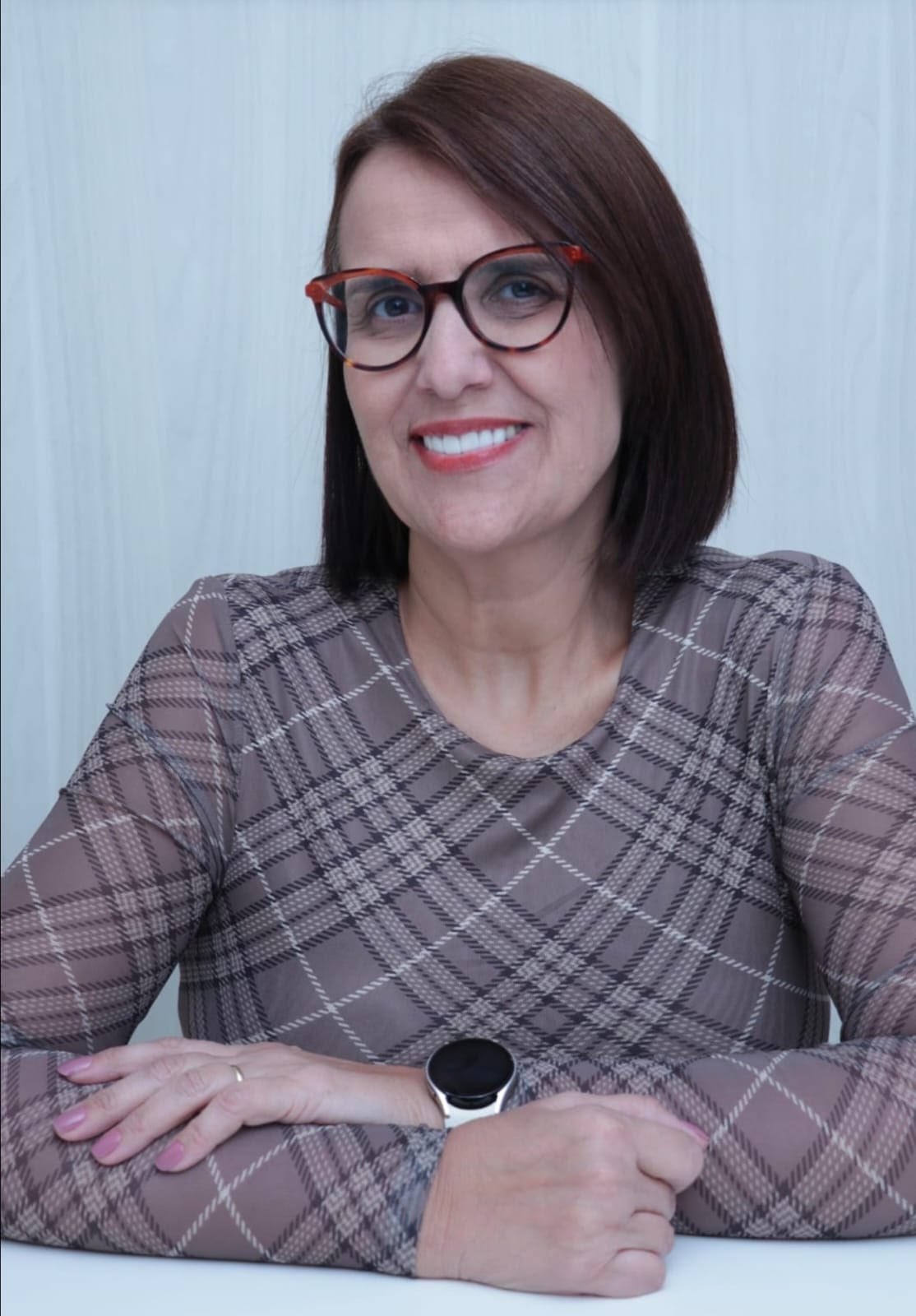
Márcia Penhalver Silva is an educator who graduated from Faculdade São Bernardo (FASB) and has over 30 years of experience in the field of education. She works in teacher training, pedagogical assessment, and school management. Currently, she is the princ
Comparative analysis highlights how institutional structure and professional support influence the effectiveness of inclusive education policies.
MIAMI, FL, UNITED STATES, July 1, 2026 /EINPresswire.com/ -- Inclusive education has become a central principle of modern educational policy around the world. Both the United States and Brazil formally guarantee access to education for students with disabilities and specialized learning needs. However, despite these shared commitments, important structural differences emerge in how inclusive education is implemented.This comparative analysis examines how institutional organization, professional support, and regulatory flexibility shape the effectiveness of inclusive education systems in both countries. While legal recognition of educational rights is fundamental, the analysis suggests that the practical outcomes of inclusion depend largely on operational infrastructure and institutions' ability to translate policy into structured educational support.
In the United States, special education services are primarily regulated by the Individuals with Disabilities Education Act (IDEA), which guarantees eligible students the right to a Free Appropriate Public Education. One of the core mechanisms used to implement this right is the Individualized Education Program (IEP), a legally binding document developed for each student who qualifies for specialized services.
The IEP defines measurable academic goals, required services, curriculum adaptations, monitoring procedures, and periodic reviews. Because it has legal standing, schools are obligated to implement the plan as defined. This framework creates a clear system of accountability in which educational institutions must provide the specific support identified for each student.
Another structural characteristic of the American model is the presence of multidisciplinary professionals integrated within the school environment. Many schools operate with teams that may include special education teachers, school psychologists, speech-language specialists, behavioral experts, and educational service coordinators. These professionals participate in student assessments, contribute to individualized plans and work directly with students to implement interventions and monitor progress.
This integration reduces the gap between diagnosis and classroom practice. By embedding specialized expertise within schools, they can respond more quickly and consistently to students' learning needs.
The American system also operates under the principle of the Least Restrictive Environment. This principle encourages students with disabilities to learn alongside their peers whenever possible, while allowing structured flexibility. When necessary, students may receive individualized instruction or small-group support outside the regular classroom to ensure meaningful academic progress. In this framework, inclusion is defined not simply by classroom presence, but by access to appropriate educational support.
Brazil also maintains a strong legal commitment to inclusive education. National policies guarantee the right of students with disabilities to attend regular schools, and legislation such as the Brazilian Inclusion Law establishes important protections and principles related to accessibility and educational participation.
However, the practical implementation of these policies often faces operational challenges. In many public schools, the primary responsibility for inclusive education falls on the classroom teacher, while the availability of multidisciplinary professionals may be limited or inconsistent. Access to specialized services can depend on administrative decisions, local resources, or budgetary conditions.
Another challenge relates to the structure of individualized planning. While Brazil recognizes the importance of specialized educational support, the system does not always operate with standardized individualized plans that carry the same level of legal enforceability as the American IEP. This can reduce institutional predictability and limit accountability in implementing support strategies.
These structural differences highlight how the effectiveness of inclusive education depends on more than legal recognition alone. Institutional capacity, professional availability, and regulatory design all influence how educational policies translate into daily classroom practice.
The comparative experience of the United States and Brazil suggests that sustainable inclusion requires coordinated systems combining legal guarantees with operational support. When individualized planning, specialized professionals, and clear accountability mechanisms are present, educational systems are better positioned to provide consistent and measurable progress for students who require specialized learning support.
Inclusive education therefore involves more than ensuring access to school environments. It requires structured support, professional expertise, and institutional commitment to ensure that every student has a meaningful opportunity to learn and develop.
About the Author:
Márcia Penhalver Silva is an educator who graduated from Faculdade São Bernardo (FASB) and has over 30 years of experience in education. She works in teacher training, pedagogical assessment, and school management. Currently, she is the principal of Colégio Methodus in São Paulo, where she leads pedagogical and administrative operations, developing initiatives aimed at ensuring the quality of basic and high school education.
Marcia Regina Penhalver Silva
Penhalver Consulting LLC d/b/a Crescere Early Learning Schoo
email us here
Legal Disclaimer:
EIN Presswire provides this news content "as is" without warranty of any kind. We do not accept any responsibility or liability for the accuracy, content, images, videos, licenses, completeness, legality, or reliability of the information contained in this article. If you have any complaints or copyright issues related to this article, kindly contact the author above.
