

Why Recurrent Headaches Should Not Be Ignored, Doctors Advise Families

India's top neurosurgeon - Dr Mohana Rao Patibandla
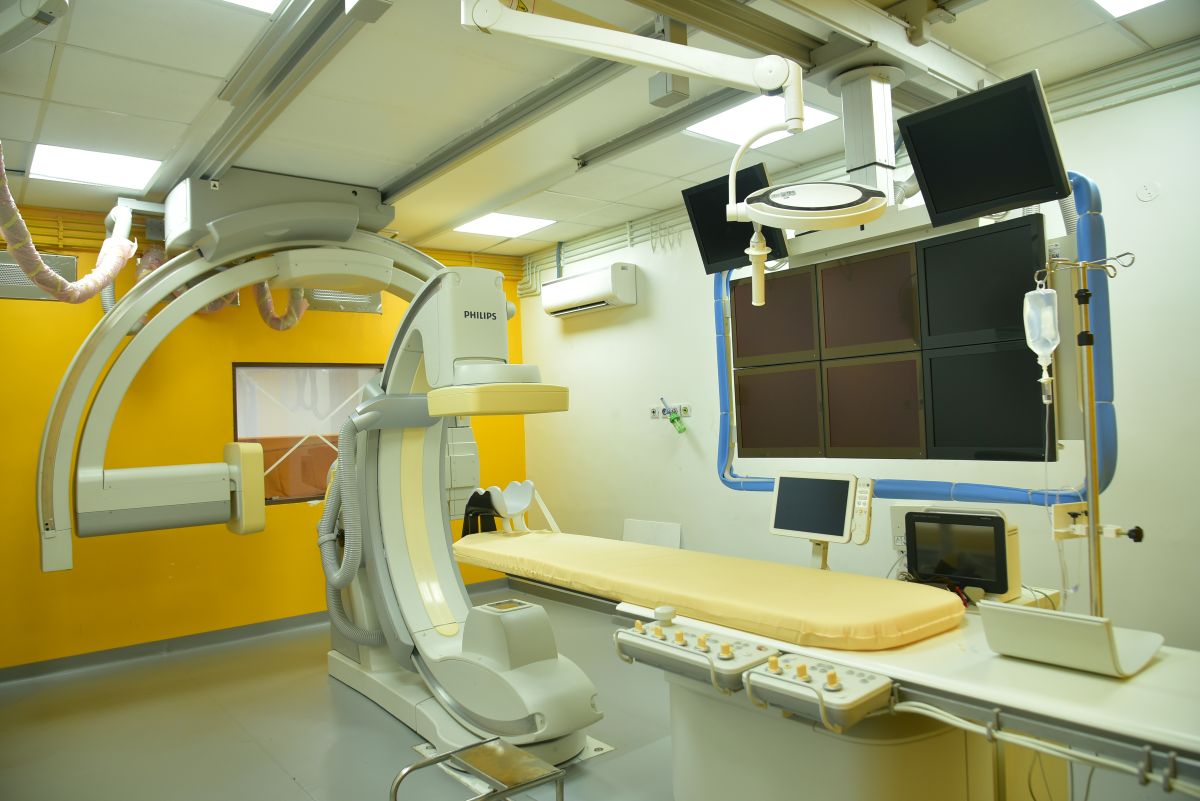
The advanced biplane cath lab at Dr. Rao's Hospital, designed for precision neurovascular procedures and minimally invasive surgeries, first in Andhra Pradesh and Telangana in India.
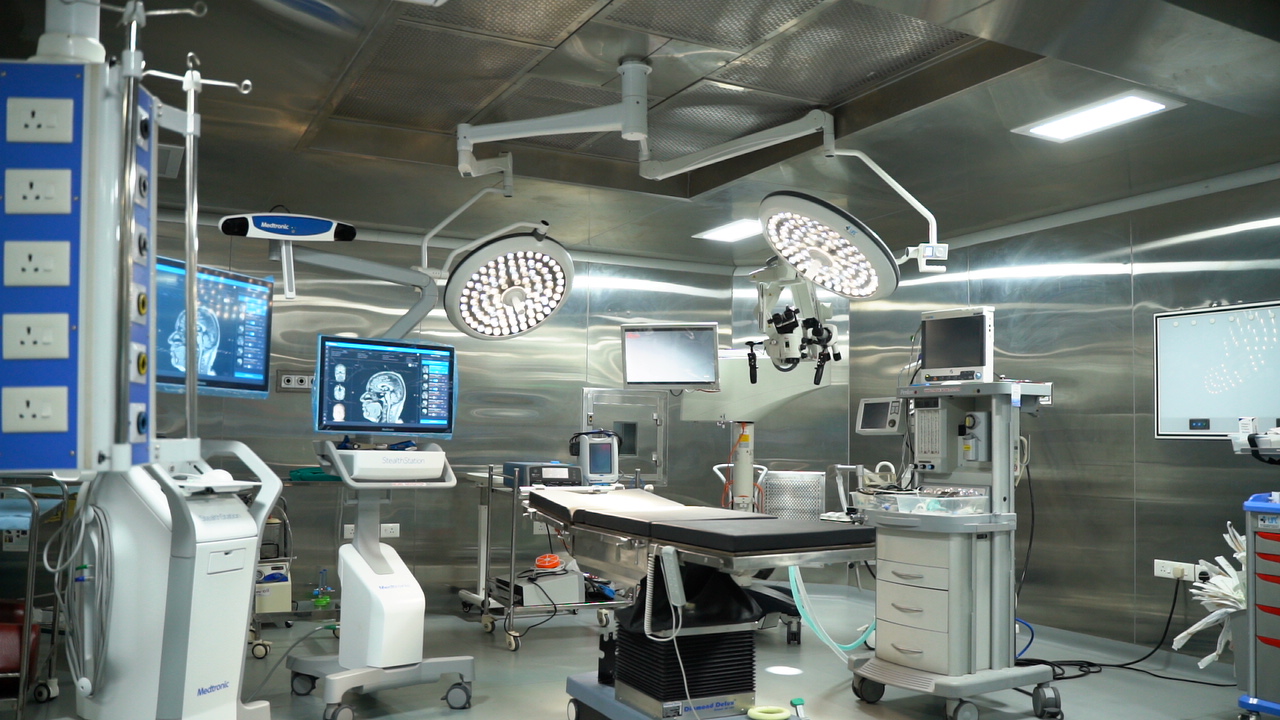
The high-tech neurosurgery operating room at Dr. Rao's Hospital, Guntur featuring advanced imaging and navigation systems for precise brain and spine surgeries.
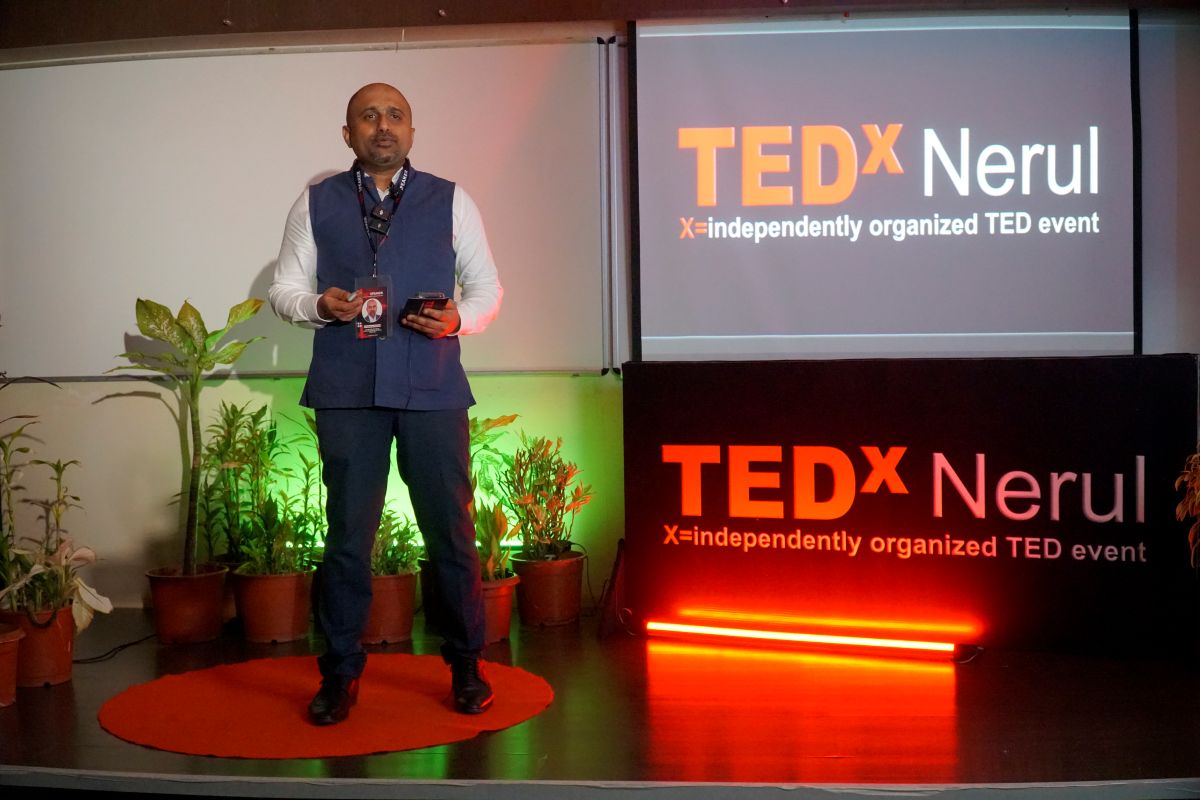
Dr. Mohana Rao Patibandla speaking at the TEDx Nerul event, an independently organized TED event, on stage with a vibrant backdrop and red circular carpet.
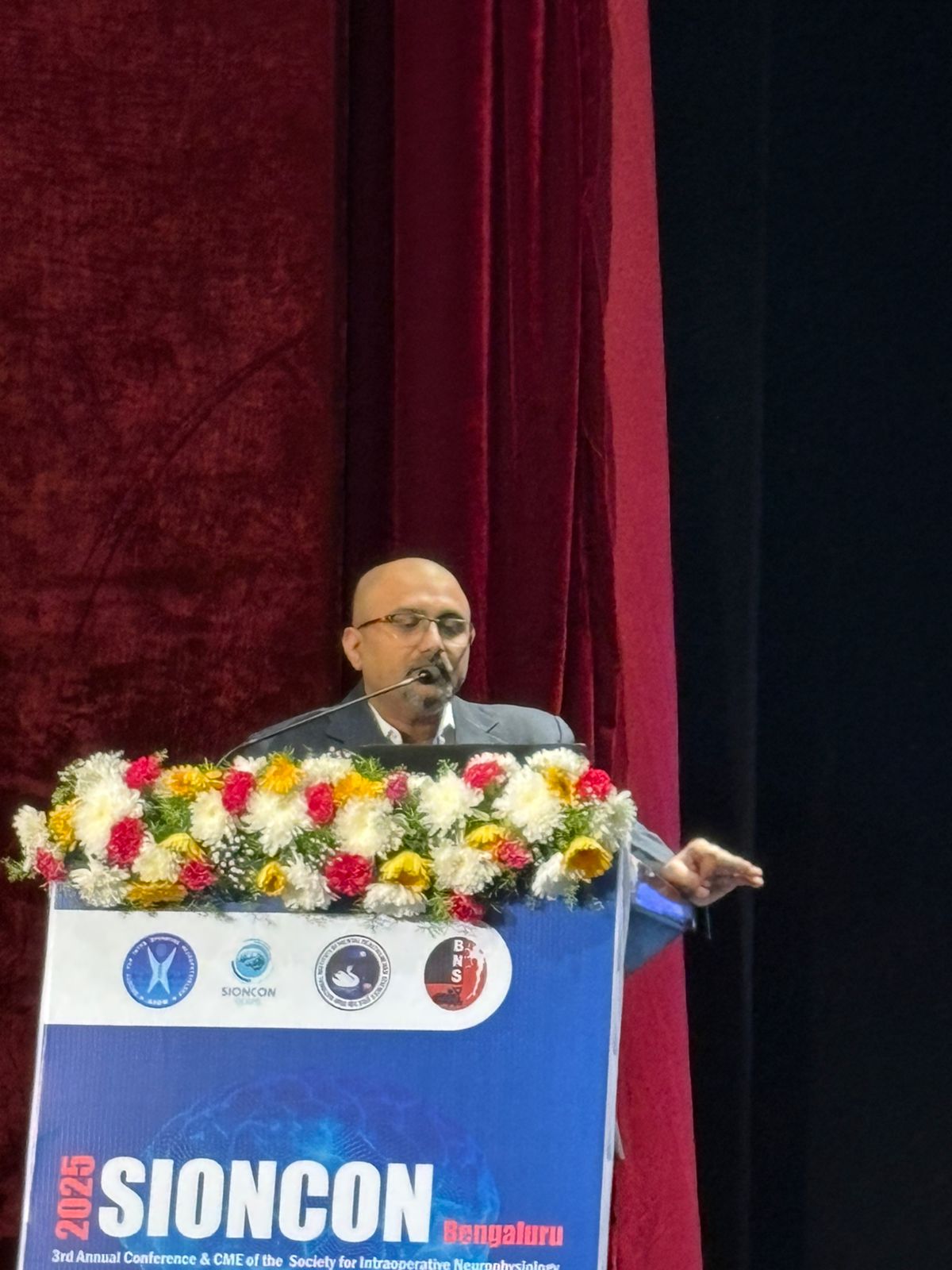
Dr. Mohana Rao Patibandla addressing delegates during his IONM expert presentation at SIONCON 2025, held at the NIMHANS Convention Centre, Bengaluru.
Doctors advise families not to ignore recurrent headaches, highlighting warning signs, prevention, brain health awareness, and timely evaluation.
Doctors say that while most headaches are not dangerous, certain headache patterns and associated neurological symptoms may require timely medical evaluation to identify underlying causes and provide reassurance to patients and caregivers.
According to specialists at Dr. Rao’s International Institute of Neurosciences (Dr. Rao’s Hospital), increasing public health awareness regarding recurrent headaches, migraine awareness, and early neurological symptoms can help patients seek appropriate medical guidance before symptoms become severe or prolonged.
“Many people continue tolerating recurrent headaches for months or years because they assume the symptoms are normal or related only to stress,” explained Dr. Mohana Rao Patibandla, neurosurgeon and founder of Dr. Rao’s International Institute of Neurosciences (Dr. Rao’s Hospital), Guntur, Andhra Pradesh. “While most headaches are manageable and not life-threatening, persistent or unusual headaches should not be continuously neglected, especially when associated with changes in vision, sleep, balance, weakness, or daily functioning.”
Healthcare professionals emphasize that recurrent headaches can affect people of all age groups and may present in different ways. Some individuals experience throbbing migraine-related pain, while others may notice pressure-like headaches, neck discomfort, morning headaches, or headaches accompanied by nausea, dizziness, fatigue, or sensitivity to light and sound.
Doctors involved in migraine awareness initiatives say migraines are frequently misunderstood. Migraines are not simply routine headaches but a neurological condition that can significantly affect emotional health, productivity, sleep quality, social life, and family routines.
Medical experts say understanding headache warning signs is one of the most important aspects of improving brain health awareness in communities.
According to specialists, neurological symptoms associated with headaches that may require medical evaluation include:
sudden severe headaches,
headaches associated with vomiting,
headaches waking patients from sleep,
speech difficulty,
numbness or weakness,
seizures,
visual disturbances,
confusion,
imbalance while walking,
or personality changes.
Doctors stress that these symptoms do not necessarily indicate a dangerous neurological disorder, but they should encourage timely medical consultation instead of prolonged self-medication or repeated neglect.
Healthcare professionals also explain that several lifestyle-related factors can contribute to recurrent headaches, including:
stress,
sleep deprivation,
excessive screen exposure,
dehydration,
poor posture,
irregular meals,
anxiety,
and uncontrolled blood pressure.
Public health awareness regarding these risk factors has become increasingly important as modern lifestyles continue affecting neurological health across different age groups.
“Brain health is closely connected with everyday habits,” Dr. Patibandla explained. “Adequate sleep, hydration, stress management, physical activity, balanced nutrition, and proper blood pressure control may help reduce headache frequency in many individuals. Preventive awareness is extremely important.”
Doctors at Dr. Rao’s International Institute of Neurosciences (Dr. Rao’s Hospital) also advise families not to ignore recurrent headaches in children and adolescents. Pediatric neurological symptoms may sometimes appear differently compared to adults. Children may complain of repeated headaches, reduced concentration, irritability, nausea, visual discomfort, sleep disturbances, or changes in school performance.
Medical experts recommend timely pediatric evaluation if headaches become frequent, progressively severe, or associated with vomiting, seizures, behavioral changes, or difficulty performing daily activities.
Specialists say one of the major challenges in neurology care India continues to be delayed evaluation caused by fear, misinformation, or assumptions that symptoms will disappear spontaneously.
Doctors explain that although most headaches are related to relatively common conditions such as tension headaches or migraines, a smaller percentage may occasionally be associated with neurological conditions requiring medical attention, including infections, bleeding, elevated intracranial pressure, vascular abnormalities, hydrocephalus, spine-related conditions, or tumors.
Healthcare experts therefore encourage a balanced approach:
patients should avoid unnecessary panic, but they should also avoid repeatedly neglecting persistent neurological symptoms.
“Early evaluation often provides reassurance,” Dr. Patibandla noted. “Many patients become anxious after searching symptoms online. Proper neurological consultation helps identify whether headaches are lifestyle-related, migraine-related, stress-related, or whether further evaluation is required.”
Doctors also say advances in modern neurological diagnostics have improved the ability to identify underlying causes earlier when clinically necessary. MRI scans, CT scans, neurological examinations, and specialized assessments can help guide appropriate treatment decisions depending on the patient’s symptoms and medical history.
Importantly, specialists emphasize that neurological evaluation does not automatically mean surgery or severe illness.
“In many cases, patients improve with lifestyle modification, migraine management, physiotherapy, medication adjustment, stress reduction, or observation,” Dr. Patibandla explained. “The purpose of medical evaluation is to understand the cause responsibly and help patients recover safely while reducing unnecessary anxiety.”
Healthcare professionals additionally warn against excessive unsupervised use of over-the-counter pain medications for recurrent headaches. While temporary relief may occur, long-term self-medication can sometimes contribute to medication-overuse headaches or delay proper diagnosis.
Doctors encourage patients to maintain a headache diary that includes:
headache frequency,
severity,
duration,
triggers,
associated symptoms,
sleep patterns,
dietary habits,
and medication use.
This information can assist healthcare professionals in understanding headache patterns more accurately and developing individualized management strategies.
Medical experts also stress the importance of emergency evaluation in certain situations. Families are advised to seek urgent medical attention if headaches are associated with:
sudden collapse,
seizures,
stroke-like symptoms,
severe confusion,
sudden vision loss,
persistent vomiting,
or head injury.
“These emergency neurological symptoms should not be delayed,” Dr. Patibandla said. “Timely medical care during neurological emergencies can significantly improve outcomes.”
Healthcare specialists further note that women may experience headaches associated with hormonal changes, menstrual cycles, pregnancy, or menopause. Similarly, elderly individuals experiencing new-onset recurrent headaches should seek timely evaluation because headache patterns after the age of 50 deserve careful medical assessment.
Doctors say one of the most important goals of public health awareness is helping families understand that neurological symptoms should not carry fear or social stigma.
“Many patients delay consultation because they worry about discovering a serious condition,” Dr. Patibandla explained. “However, early medical guidance often provides reassurance, symptom relief, and appropriate treatment planning when needed.”
Healthcare professionals also encourage schools, workplaces, and families to support individuals experiencing recurrent headaches instead of dismissing symptoms without proper assessment.
Supportive awareness from caregivers and family members can play an important role in helping patients seek timely medical guidance and maintain emotional well-being during prolonged symptoms.
Medical experts additionally emphasize the importance of preventive neurological care for maintaining long-term brain health. Preventive measures include:
healthy sleep habits,
regular physical activity,
blood pressure control,
diabetes management,
stress reduction,
balanced nutrition,
avoiding smoking,
and moderation of alcohol consumption.
Doctors also encourage the public to seek reliable medical information from qualified healthcare professionals instead of depending entirely on social media misinformation or internet self-diagnosis, which can sometimes increase unnecessary fear and confusion.
As neurological health awareness continues growing across India, specialists hope more families will recognize the importance of early evaluation and preventive care without fear or delay.
“The goal is not to create panic,” Dr. Patibandla added. “Most headaches are manageable and treatable. The important message is awareness. Persistent or unusual symptoms deserve timely medical attention, reassurance, and appropriate care.”
Healthcare professionals conclude that recognizing headache warning signs early, improving migraine awareness, encouraging healthy lifestyle practices, and promoting open discussions about neurological symptoms can help strengthen public brain health awareness and support earlier medical intervention when required.
About Dr. Rao’s International Institute of Neurosciences (Dr. Rao’s Hospital)
Dr. Rao’s International Institute of Neurosciences (Dr. Rao’s Hospital), Guntur, Andhra Pradesh, focuses on neurology, neurosurgery, spine care, stroke care, neurovascular treatment, minimally invasive neurosurgery, pediatric neurology, and advanced neurological care with emphasis on patient education, safety, and community health awareness.
Contact Information:
Dr. Rao’s International Institute of Neurosciences (Dr. Rao’s Hospital)
12-19-67, Old Bank Road, Kothapet,
Guntur, Andhra Pradesh, India
Phone: +91 9010056444
Email: info@drraoshospitals.com
Website: https://drraoshospitals.com
Mohana Rao Patibandla
Patibandla Narayana Swamy Neurosciences LLP
+91 90100 56444
info@drraoshospitals.com
Visit us on social media:
LinkedIn
Instagram
Facebook
YouTube
X
Technology at Dr. Rao's International Institute of Neurosciences
Legal Disclaimer:
EIN Presswire provides this news content "as is" without warranty of any kind. We do not accept any responsibility or liability for the accuracy, content, images, videos, licenses, completeness, legality, or reliability of the information contained in this article. If you have any complaints or copyright issues related to this article, kindly contact the author above.
