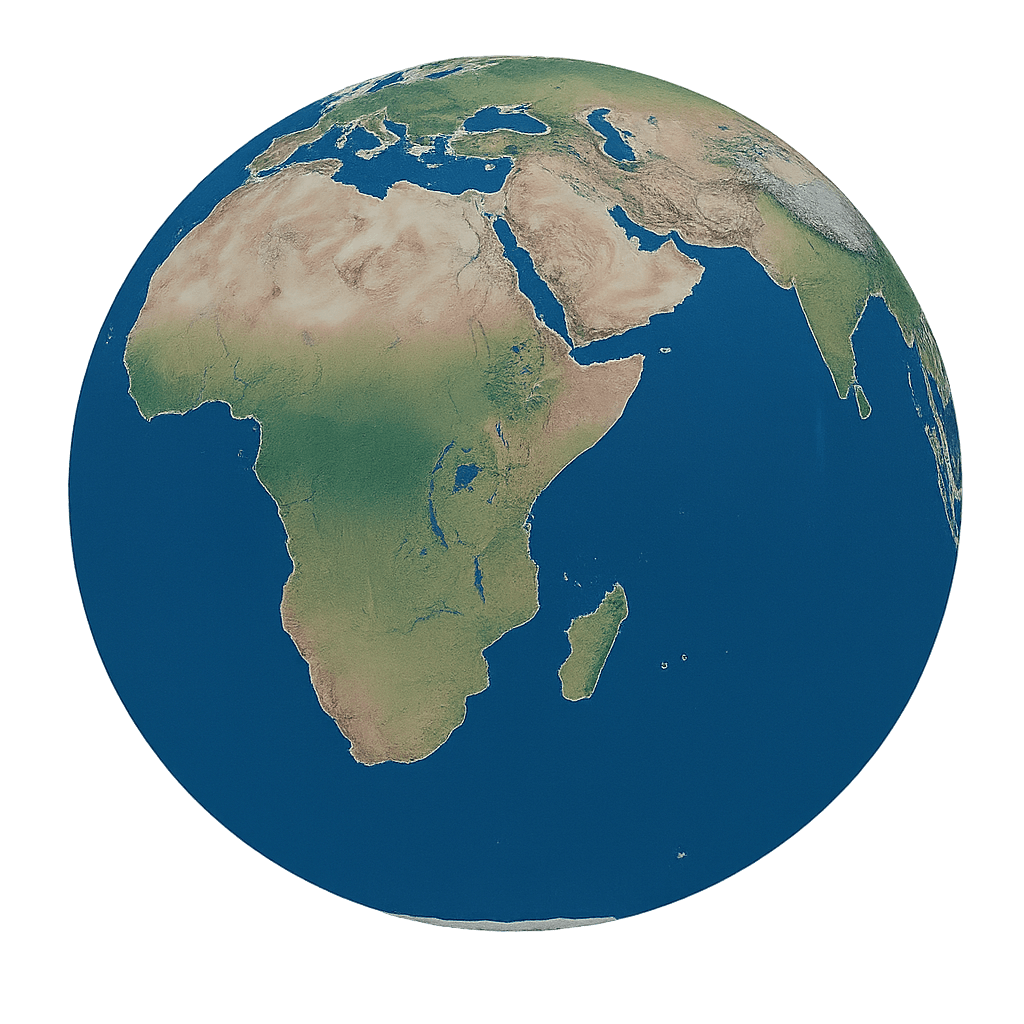

Children Starve to Death While World Fills Landfills with Food
The paradox has drawn renewed global attention as the UN designated "food waste" the central theme of this year's International Zero Waste Day on March 30, calling on governments, corporations, local communities, and private citizens to take action at every level.
Global Hunger Deepens
Figures compiled by media from the Global Report on Food Crises reveal that acute hunger affected more than 295 million people in 2024 — a rise of 13.7 million from the previous year. The report provides comprehensive analysis of food and nutrition emergencies at the global, regional, and country levels.
Of those affected, approximately 1.4 million people are enduring the most catastrophic classification of food insecurity: famine.
Gaza leads that grim ranking with 640,600 people in famine conditions. Sudan follows with 637,200, South Sudan with 83,500, Yemen with 41,200, Haiti with 8,400, and Mali with 2,600.
At Level 4 — defined as a severe acute food crisis — the numbers climb even higher, surpassing 30 million people worldwide. Sudan bears the heaviest burden at 8.1 million, followed by Yemen at 5.5 million, the Democratic Republic of Congo at 3.9 million, Afghanistan at 3.1 million, Myanmar at 2.8 million, South Sudan at 2.4 million, Haiti at 2.1 million, Pakistan at 1.7 million, Nigeria at 1.2 million, and Gaza, Palestine at 1.1 million.
Children remain the most exposed. UN data indicates that over 3 million children perish annually from hunger-related causes, nearly 43 million face severe food deprivation, and approximately 45 percent of all deaths among children under five are attributable to malnutrition.
A World That Wastes What Others Need
Roughly 1.3 billion tons of food — around one-third of global production — is lost or wasted every year, a figure that stands in stark contrast to the scale of global hunger.
China recorded the highest absolute volume of food waste among tracked nations, surpassing 108 million tons in 2024, translating to approximately 76 kilograms per person annually.
India discards more than 78 million tons each year — roughly 54 kilograms per capita.
Pakistan generates around 31 million tons in annual food loss, or 122 kilograms per person — a per-capita figure nearly equivalent to the combined individual waste of China and India.
In Nigeria, 24.8 million tons of food were lost in 2024, or about 106 kilograms per person. Analysts point to inadequate storage infrastructure, inefficient transport networks, and restricted market access as the primary culprits, causing significant portions of harvests to spoil before reaching consumers.
The United States wastes more than 24 million tons annually — approximately 71 kilograms per person. Unlike most countries where population scale drives total waste figures, high consumption behavior is the dominant factor in the American context.
Brazil exceeds 20 million tons of discarded food per year, around 95 kilograms per capita, with the majority of losses occurring during harvesting, storage, and distribution — largely the result of infrastructure deficiencies and poor handling practices.
Legal Disclaimer:
EIN Presswire provides this news content "as is" without warranty of any kind. We do not accept any responsibility or liability for the accuracy, content, images, videos, licenses, completeness, legality, or reliability of the information contained in this article. If you have any complaints or copyright issues related to this article, kindly contact the author above.
