

Village Green Promotes Compassionate Alzheimer’s Care in Rockwall Community
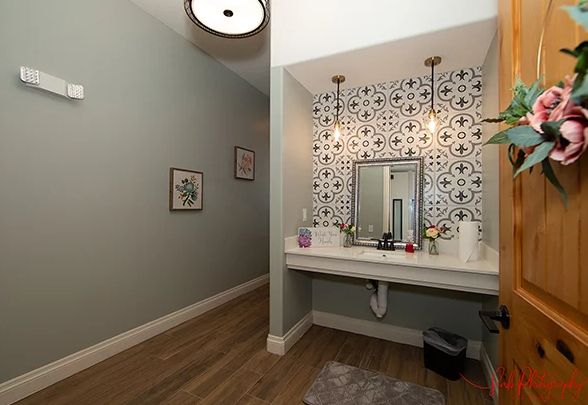
senior living rockwall

nursing center rockwall texas
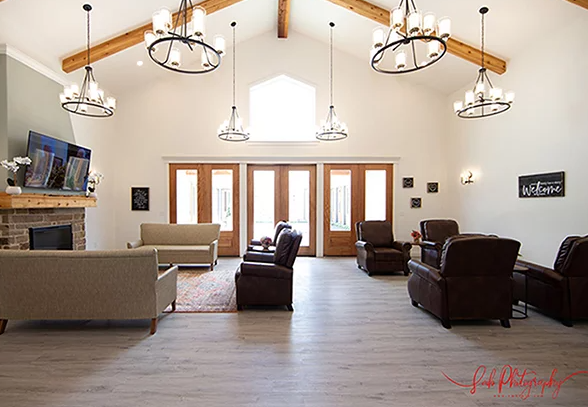
assisted living in rockwall texas,
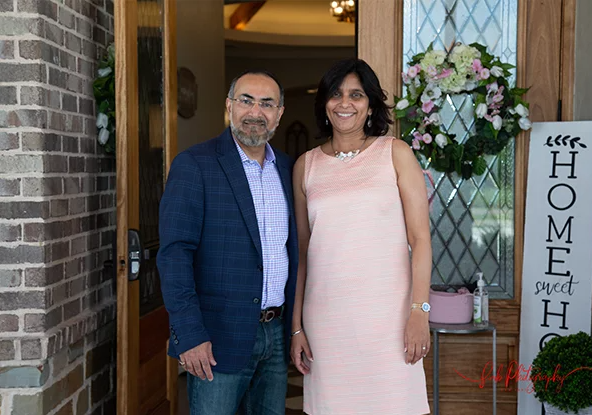
rockwall assisted living
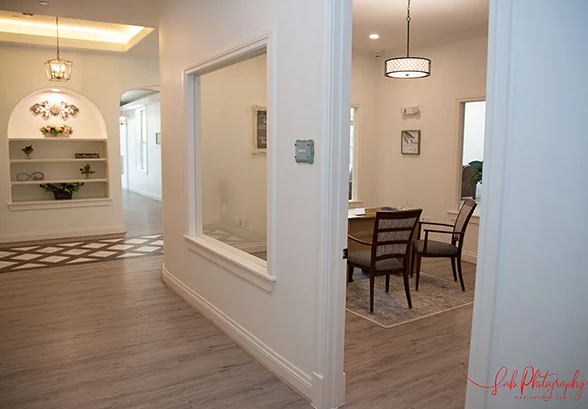
rockwall nursing home rockwall tx
Shifting care needs in Rockwall highlight the growing importance of understanding memory care versus independent and nursing home living.
ROCKWALL, TX, UNITED STATES, January 16, 2026 /EINPresswire.com/ -- Village Green Memory Care Community is observing continued shifts in how families across Rockwall evaluate Alzheimer’s care support alongside independent living and nursing home options. As the local senior population grows, caregivers and older adults are increasingly seeking clarity on how various care environments differ in purpose, regulation, and scope. These discussions reflect broader changes in long-term care planning, where understanding distinctions between memory-focused support, independent living arrangements, and nursing homes in Rockwall, TX has become central to informed decision-making.Demographic Growth and Aging Trends in Rockwall
Rockwall County has experienced consistent population growth over the past decade, including a rising number of residents aged 65 and older. This demographic change mirrors statewide trends in Texas, where increased life expectancy and shifting family structures have influenced how aging-related services are accessed and evaluated.
As more individuals live longer with chronic conditions such as Alzheimer’s disease and related dementias, communities like Rockwall are seeing heightened interest in care models that address cognitive decline while preserving dignity and daily structure. This has prompted families to more closely examine available support systems and housing options across the senior care spectrum.
Defining Alzheimer’s Care Support in Rockwall
Alzheimer’s care support refers to services specifically designed to assist individuals living with memory impairment, confusion, and behavioral changes associated with dementia. These services focus on supervision, routine, and safety rather than medical treatment.
In Rockwall, Alzheimer’s care support is increasingly recognized as a specialized form of senior care distinct from both independent living and skilled nursing environments. Its primary goal is to provide structured daily assistance in a secure setting that reduces risk while supporting remaining cognitive abilities.
Common elements of Alzheimer’s care support include:
• Consistent daily routines to reduce anxiety
• Supervised environments designed to prevent wandering
• Assistance with personal care and daily tasks
• Cognitive engagement and social interaction
• Staff trained to respond to dementia-related behaviors
These services are structured to support individuals whose cognitive needs exceed what independent living can safely provide but do not require continuous medical intervention.
Independent Living in Rockwall, TX: Purpose and Limitations
Independent living in Rockwall, TX, is designed for older adults who remain largely self-sufficient and do not require routine personal care or supervision. These communities emphasize autonomy, convenience, and social engagement rather than structured care.
Independent living environments typically offer:
• Private apartments or cottages
• Maintenance-free living
• Organized social and recreational activities
• Dining and housekeeping services
• Proximity to healthcare resources
However, independent living does not include Alzheimer’s care support or continuous monitoring. As a result, individuals experiencing cognitive decline may eventually require transitions to more structured environments to ensure safety and well-being.
Comparing Alzheimer’s Care Support and Independent Living
Alzheimer’s care support and independent living represent two distinct approaches within the senior living continuum, each designed to address different levels of cognitive and functional need. Independent living settings are generally intended for older adults who can manage daily activities with minimal assistance and do not require ongoing cognitive supervision. These environments often emphasize autonomy, social engagement, and access to shared amenities while offering limited or optional support services. In contrast, Alzheimer’s care support is structured specifically for individuals experiencing memory loss or cognitive decline associated with Alzheimer’s disease or other forms of dementia.
Memory-focused care environments typically incorporate specialized routines, secure layouts, and staff training aimed at supporting cognitive function and reducing disorientation. Assistance with daily activities such as medication management, personal care, and structured daily schedules is more consistently integrated into Alzheimer’s care support settings than in independent living models. While independent living may include wellness programs or optional support services, it does not usually provide the level of supervision or dementia-specific accommodations required for individuals with progressive memory conditions.
Families evaluating care options often consider factors such as safety, cognitive support needs, and long-term planning when distinguishing between these models. As Alzheimer’s disease progresses, care needs frequently evolve beyond what independent living can safely provide, prompting transitions toward memory care assisted living or dementia-focused residential settings. Understanding these differences helps caregivers and decision-makers align care choices with the current and anticipated needs of individuals affected by memory-related conditions.
Where Nursing Homes in Rockwall, TX Fit Into the Care Continuum
Nursing homes in Rockwall, TX, represent a separate category within the senior care continuum. These facilities are licensed medical environments intended for individuals who require ongoing clinical care, rehabilitation, or complex medical oversight.
Nursing homes typically provide:
• Onsite licensed nursing staff
• Medical monitoring and treatment
• Post-hospital recovery support
• Physical, occupational, or speech therapy
• Assistance for individuals with advanced medical conditions
While some residents of nursing homes may also have Alzheimer’s disease or dementia, placement is generally determined by medical necessity rather than cognitive diagnosis alone.
It is important to distinguish that Alzheimer’s care support and independent living are not substitutes for nursing home care, just as nursing homes are not designed to replace memory-focused environments unless medical needs dictate otherwise.
Clarifying Common Misunderstandings About Nursing Homes
Families in Rockwall often associate Alzheimer’s disease with nursing home placement, even when clinical needs do not warrant that level of care. This misunderstanding can lead to unnecessary transitions or increased stress for both individuals and caregivers.
Key distinctions include:
• Nursing homes prioritize medical treatment and rehabilitation
• Alzheimer’s care support focuses on cognitive structure and supervision
• Independent living emphasizes autonomy and lifestyle
Recognizing these differences helps families make decisions based on functional and medical needs rather than assumptions.
Care Transitions Over Time
Many individuals experience transitions across multiple care environments as needs evolve. A common pathway may involve independent living, followed by Alzheimer’s care support, and later consideration of nursing home care if medical complexity increases.
Effective care planning in Rockwall often includes:
• Early identification of cognitive changes
• Ongoing evaluation of safety and daily function
• Adjustments following health events or progression of dementia
• Coordination with healthcare providers and caregivers
Planning for transitions in advance can reduce disruption and support continuity of care.
Family Decision-Making and Caregiver Considerations
Supporting a loved one with Alzheimer’s disease presents significant emotional and logistical challenges. Families must weigh safety, independence, financial considerations, and quality of life when evaluating care options.
In Rockwall, families increasingly seek objective, non-promotional information to guide decisions related to:
• When independent living may no longer be appropriate
• How Alzheimer’s care support differs from general senior housing
• When nursing home care becomes medically necessary
• How to plan for long-term changes
Access to clear, accurate information helps families navigate these decisions with greater confidence.
Role of On-Call Nursing Support in Memory Care
Some memory care providers maintain access to nursing support without operating licensed nursing homes. This structure allows for professional guidance and coordination while maintaining a non-medical residential environment.
Having a nurse on call 24/7 can support:
• Emergency consultation
• Care coordination with physicians
• Monitoring of changes in condition
• Support for caregiving staff
However, this does not replace the continuous clinical care provided in nursing homes and should be understood within its appropriate scope.
Environmental Design and Safety in Alzheimer’s Care
Environmental design plays a significant role in supporting individuals with Alzheimer’s disease. Memory-focused environments often incorporate features such as:
• Clear visual cues for orientation
• Simplified layouts
• Secure outdoor spaces
• Reduced noise and visual overstimulation
These features differ from independent living settings, which are designed primarily for accessibility and convenience rather than cognitive safety.
Staffing and Training Across Care Types
Staffing models vary across senior living environments. Alzheimer’s care support settings typically employ caregivers trained in dementia-related communication and behavioral response, while nursing homes rely on licensed clinical staff.
Independent living communities generally provide minimal staffing focused on resident services rather than care delivery.
Understanding staffing differences allows families to evaluate whether an environment aligns with a loved one’s needs.
Regulatory Oversight and Compliance
Senior care services in Texas operate under different regulatory frameworks depending on the care type. Nursing homes are subject to federal and state clinical regulations, while Alzheimer’s care support and independent living are regulated separately.
These distinctions reinforce the importance of selecting care environments based on need rather than perceived status or terminology.
Economic Considerations in Care Planning
Costs vary significantly across care models. Independent living typically involves housing and service fees, while Alzheimer’s care support includes additional costs related to supervision and staffing. Nursing home care often represents the highest cost due to medical services.
Families in Rockwall frequently consider:
• Duration of care needs
• Long-term affordability
• Insurance and benefit coverage
• Financial planning strategies
Objective information supports responsible planning alongside care decisions.
Community Awareness and Education
Public understanding of Alzheimer’s disease and senior care models continues to evolve.
Community education efforts in Rockwall emphasize:
• Early recognition of cognitive changes
• Differences among care environments
• Regulatory distinctions
• Planning strategies for families
These initiatives support informed conversations about aging and care.
Future Outlook for Senior Care in Rockwall
As Rockwall’s population continues to age, demand for diverse senior care options is expected to increase. This includes expanded Alzheimer’s care support, clearer differentiation among care types, and improved access to accurate information.
Future planning efforts may focus on:
• Earlier intervention
• Improved care coordination
• Enhanced caregiver resources
• Greater transparency across service models
These developments aim to support aging populations while respecting individual needs.
Importance of Accurate Public Communication
Clear, factual communication plays an essential role in senior care planning. Avoiding exaggerated claims or ambiguous language helps families make decisions based on reality rather than perception.
Press releases and public information contribute to setting appropriate expectations and supporting ethical care discussions.
About Village Green Memory Care Community
Village Green Memory Care Community provides specialized support for individuals living with Alzheimer’s disease and related forms of dementia in Texas. The organization focuses on structured routines, secure environments, and cognitive-supportive care. Village Green Memory Care Community maintains a nurse on call 24/7 but does not operate nursing homes. Its services are designed to support memory-related needs rather than provide skilled medical or rehabilitative treatment.
Zahra Sabir
Village Green Alzheimers Care
+1 281-208-5876
info@villagegreenalzheimerscare.com
Visit us on social media:
LinkedIn
Instagram
Facebook
Legal Disclaimer:
EIN Presswire provides this news content "as is" without warranty of any kind. We do not accept any responsibility or liability for the accuracy, content, images, videos, licenses, completeness, legality, or reliability of the information contained in this article. If you have any complaints or copyright issues related to this article, kindly contact the author above.
